"Drink more water" is the advice everyone already knows before they land somewhere hot. It's not wrong exactly, but in El Nido it's a bit incomplete. Humidity and how much you're sweating change the picture more than plain water alone can fix.
Why plain water sometimes isn't enough
Heavy sweating doesn't just cost you water. It costs you sodium, potassium, and other electrolytes too. If you only replace the water, especially after a long day of island-hopping or a sweaty hike, you can end up feeling foggy, headachy, or crampy even though you've technically been "drinking enough." That's usually your body telling you the balance is off, not that you need more plain water.
Signs you're behind on fluids
- Dark yellow urine (pale straw color is what you're aiming for)
- A headache that shows up mid-afternoon
- Feeling unusually tired even after a full night's sleep
- Muscle cramps, especially in your legs, after a day of activity
- Dizziness when you stand up too quickly
What actually helps in this climate
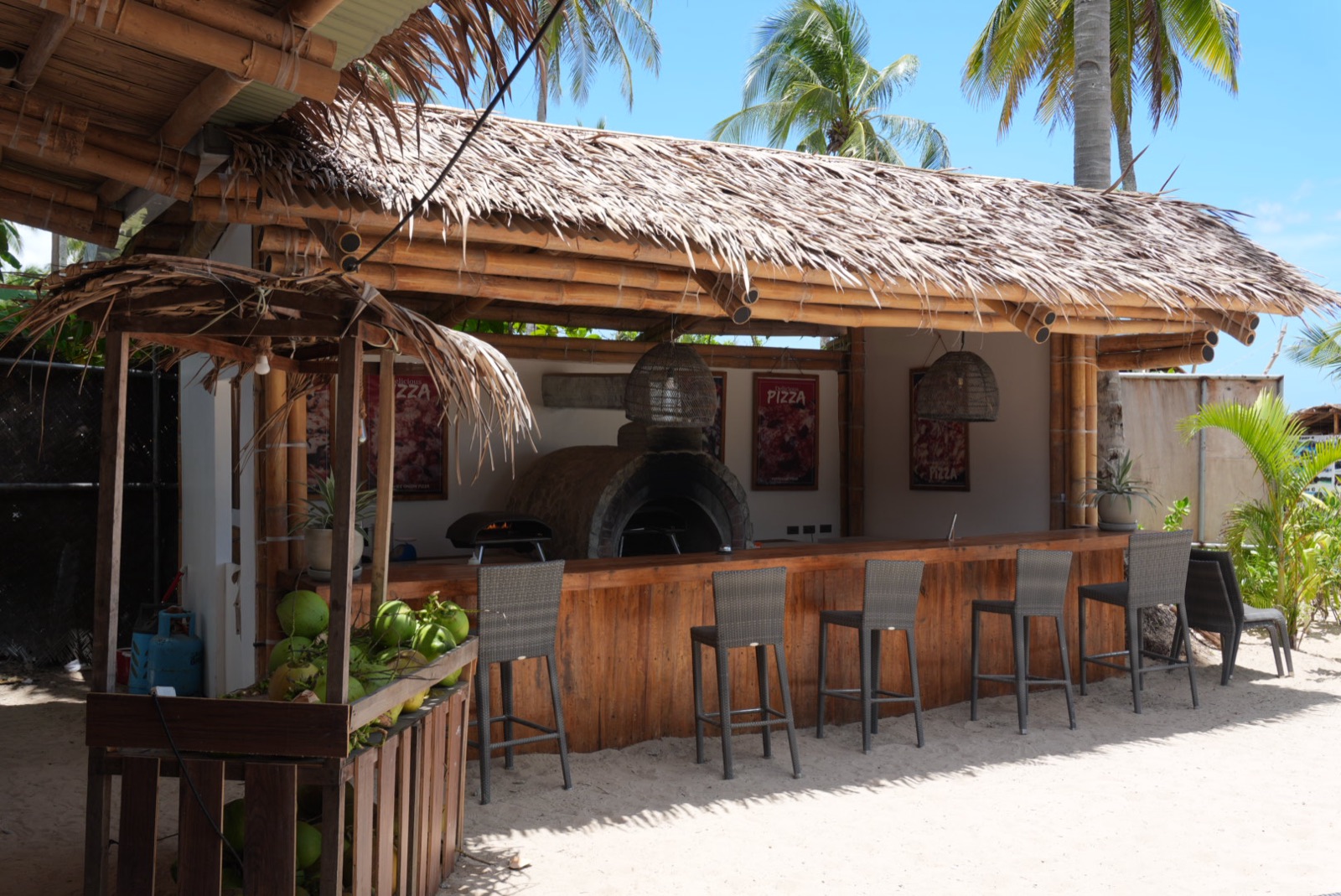
- Coconut water is sold everywhere in El Nido, and it's a genuinely useful natural electrolyte source, not just a tourist novelty. Beachfront spots like Sunmai at Nacpan Beach are an easy place to grab one straight off a sun lounger between swims.
- A pinch of salt in water, or an electrolyte tablet or powder if you travel with one, is worth using after a heavy-sweat day rather than waiting until you feel unwell.
- Front-load your fluids in the morning. Trying to catch up in the evening doesn't work as well, since heat and activity both peak around midday.
- Fruit with high water content (watermelon, buko, pineapple) adds to hydration alongside plain water, and it's easy to find from local stalls.
- Alcohol and caffeine both dehydrate you a little, which isn't a reason to skip either one on a trip, just a reason to balance them with extra water.
A simple rule of thumb
If you haven't needed a bathroom break in hours despite drinking normally, or your urine is dark, that's your cue to catch up rather than wait until you're thirsty. Thirst itself shows up late. It's not a great early warning system.
FAQ
How much water should I actually be drinking per day here?
There's no single magic number, but a reasonable starting point is around 3 liters a day, more on days with heavy activity or sun exposure. Let your urine color be the real guide.
Is coconut water really better than plain water?
For replacing electrolytes lost to sweat, yes, it genuinely helps more than plain water alone. It's not a replacement for water entirely, more a useful addition.
Can I just drink more coffee or soda instead of water?
Not ideally. Both have a mild dehydrating effect, so they don't substitute for water even though they still contain fluid.
What if I'm already feeling dizzy or crampy?
Stop what you're doing, get somewhere shaded or cool, and rehydrate with water and electrolytes. If symptoms don't improve fairly quickly, seek medical attention.
Before you go
Hydration in El Nido isn't complicated, it just needs a little more attention than it would at home. A bottle of water, a habit of drinking before you're thirsty, and the occasional coconut go a long way.
This is general hydration information, not medical advice. If you're managing a kidney condition, heart condition, or fluid-restricted diet, follow your doctor's specific guidance instead of general travel tips like these.