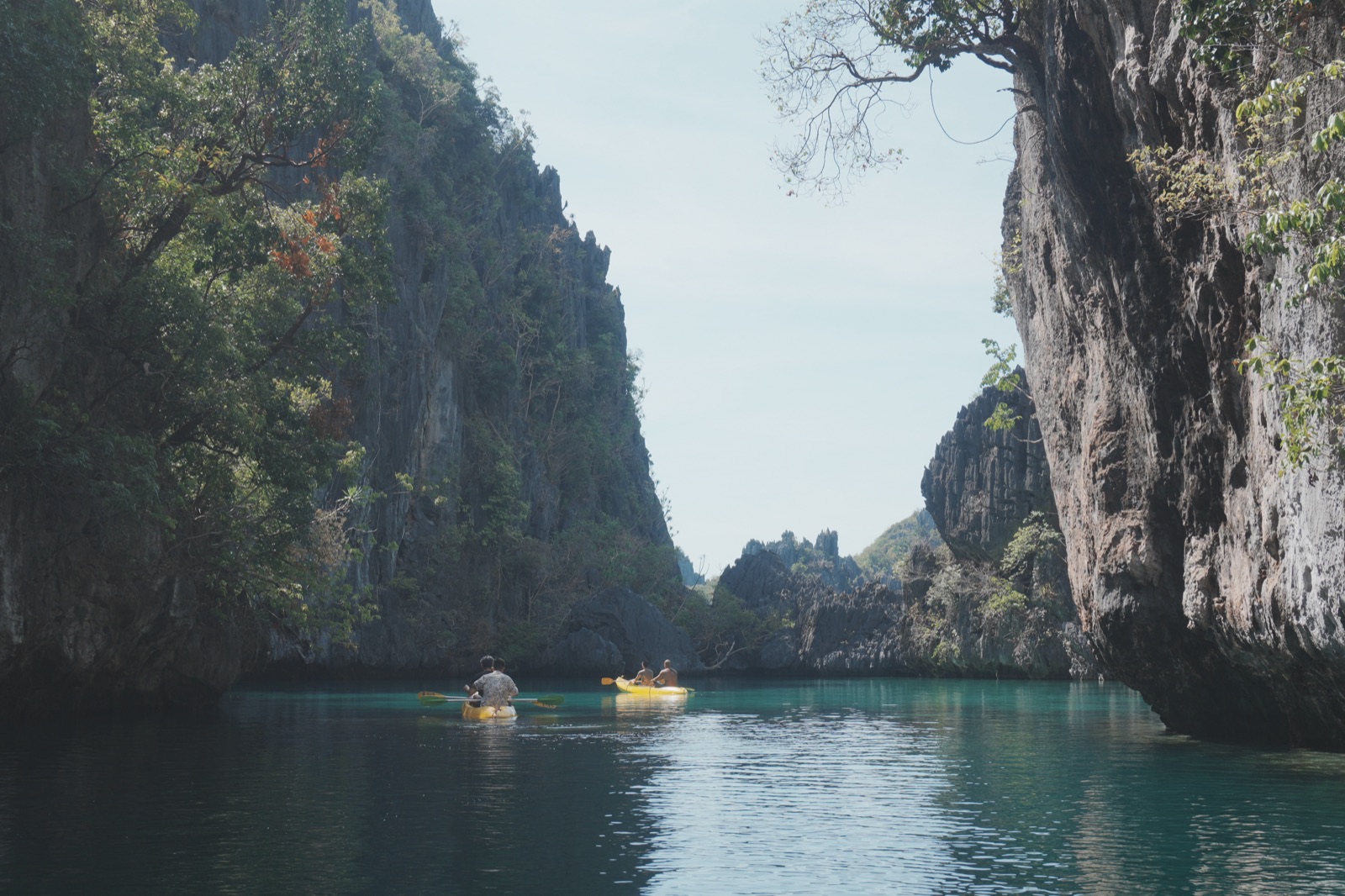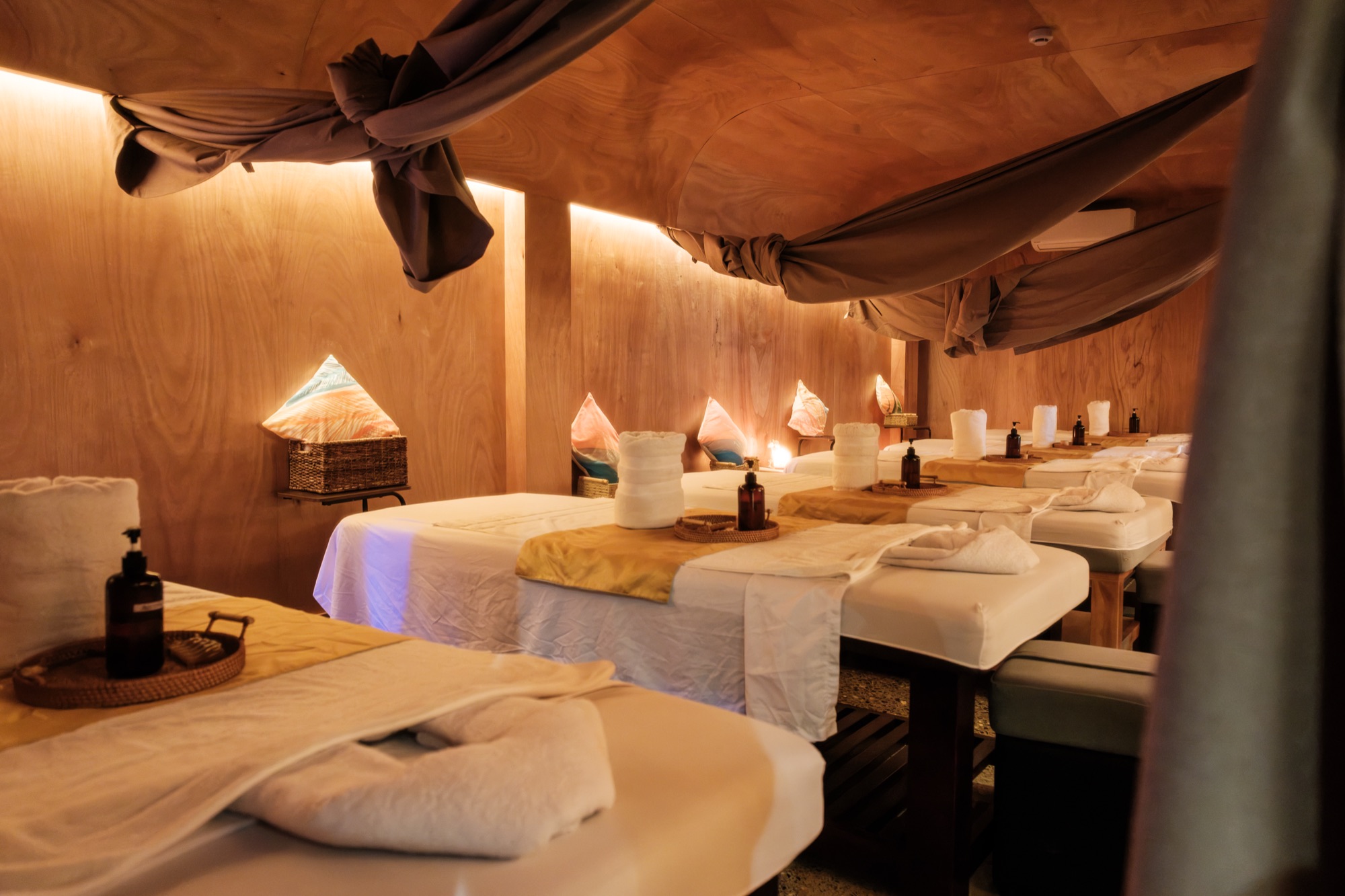
It's easy to file massage under "vacation indulgence" rather than something with real physical benefit. Both things can be true honestly. It's a treat, and there's also a solid case for its actual physiological effects, especially after the kind of activity a trip to El Nido tends to involve.
What massage is generally understood to help with
- Muscle recovery after exertion. After a long hike up Taraw Cliff or a full day of paddling and swimming, massage helps work through tightness and soreness much like stretching does, often more thoroughly.
- Circulation. The kneading and pressure used in most massage styles is thought to encourage blood flow to tired muscle groups, which may support faster recovery.
- Stress and nervous system regulation. Touch therapy is consistently linked to lower cortisol and a shift toward the "rest and digest" side of your nervous system, part of why massage tends to leave you feeling calmer, not just less sore.
- Sleep quality. A lot of people report easier, deeper sleep the night after a massage, likely connected to that same calming effect.
- A genuine mental reset. An hour with no phone, no itinerary, and someone else's full attention on your wellbeing is, on its own, a legitimate form of stress relief separate from any physical benefit.
What it isn't
Massage isn't a substitute for medical treatment of an injury, and firm pressure isn't automatically "more effective." More pressure isn't the same as more benefit, and it can occasionally aggravate an area that's already hurt. It's also not a guaranteed fix for chronic pain, though plenty of people find it a useful part of managing it alongside other care.
Why it fits naturally into a trip like this
Most travel wellness advice is about maintaining routines you already have at home. Massage is different. It's genuinely suited to what a trip to El Nido actually does to your body: long days on your feet, sun exposure, unfamiliar beds, more walking than usual, and the physical toll of activities like snorkeling or hiking that work your muscles differently than everyday life does.
FAQ
How often should I get a massage during a trip?
There's no fixed rule, but many travelers find every 2 to 3 days works well on a multi-day itinerary with physically demanding activities.
Is a firmer massage always better for recovery?
Not necessarily. Firmer isn't automatically more effective, and it can sometimes aggravate a tired or already-sore area. Communicate your preference clearly.
Can massage help with jet lag or travel fatigue?
It may help indirectly, mostly through better sleep and reduced stress, though it's not a direct fix for jet lag itself. Our guide to beating jet lag and travel fatigue covers that more directly.
Are there reasons I shouldn't get a massage?
Yes, certain conditions call for caution. See the note below.
Before you go
Deep or firm-pressure massage isn't recommended during pregnancy, for recent injuries or fractures, or for certain cardiovascular and clotting conditions without medical clearance first. If any of that applies to you, mention it when booking so the therapist can adjust the treatment or suggest something gentler.